 Wine & Food Pairing
Lesson Objectives:
- Learn wine and pairing principle
- Know the classic wine and food pairing examples
- Never mess up wine and food pairing again!
The ONE Universal Pairing Principle
Just like adding milk into coffee will change its texture and taste; food when interacting with wine will affect its flavor. Different ingredients and preparation methods will bring out different taste sensations with the same bottle of wine.
There are a lot of pairing guidelines, but only one universal pairing principle --
A good pairing is when the food and wine do not overshadow each other. Wine and food can complement or contract each other, as long as they do not mask each other’s unique flavor and characteristics.
Factors to Consider when Pairing
When pairing food, you are really complementing or contrasting four elements. The way the dish is prepared and cooked will affect these elements:
- Body/ weight: heavy, medium, or light-body?
- Flavor intensity: weak, moderate, strong?
- Aroma: earthy, fruity, grassy, or herbal?
- Taste: sweet, spicy, acidic, sour, bitter?
Example 1: Most people prefer pairing Cabernet Sauvignon with steaks because they are both full-bodied, strong flavor, and the protein in the meat will soften the tannin in the wine. A venturing wine lover may pair a red steak with a full-bodied white Rousanne.
Example 2: With spicy, strong-flavor Thai dishes, the classic gourmets would go for a Riesling. Its neutrality will complement Thai cuisine's spices. Its acidity and med bodied will match the weight of the food. A venturing wine lover may pair with Gewurztraminer or Marsanne.
Our Favorite Wine and Food Pairings
It is not always white wine with white meat... Pinot Noir, Beaujolais, Chianti are few handful reds that pair well with chicken. Below we have listed our favorite pairings as a good starting point:
Western Dishes:
Chicken – Full-bodied whites (Chardonnay, Chenin Blanc) or light reds (Beaujolais, Pinot Noir, Rioja, Chianti)
Foie Gras / Pate - Sweet whites (Sauternes, Riesling Spatlese, Tokaji)
Green Salad – Herby whites (Sauvignon Blanc, Pinot Blanc, Sancerre, Pouilly-Fume, Vinho Verde)
Grilled Fish – Light to medium bodied whites (Sauvignon Blanc, Vinho Verde, Chablis)
Pasta (red sauce) – acidic reds (Barbera, Chianti, Zinfandel / Primitivo, Valpolicella)
Pasta (white sauce) – fuller bodied whites (Chardonnay, Viognier, Gavi, Pinot Gris)
Pizza - Sparkling or a fruity red (Prosecco, Barbera, Dolcetto, Valpolicella)
Raw or steamed shellfish – Crisp, acidic wines (Champagne, Sauvignon Blanc, Chablis)
Steak – Full-bodied red (Cabernet, Merlot, Syrah, Malbec, Barolo)
Asian Cuisines:
Chinese – Riesling, Gewurztraminer, Sauvignon Blanc, and Pinot Noir
Japanese Sushi – Beaujolais, Sauvignon Blanc, Riesling
Spicy Thai / Indian Curry – Viognier, Riesling, Gewurztraminer, Rousanne
Cheese:
Creamy soft brie or camembert – Champagne, Pinot Noir, Chardonnay, dry Riesling
Strong goat cheese – Sancerre, Sauvignon Blanc, Pouilly-Fume
Hard / Aged cheese – Bordeaux, Cabernet Sauvignon, Brunello, Dolcetto, Merlot, white Burgundy
Semi hard cheese – Semillon, Rioja
Smoked cheese – Gewurztraminer, Sauternes, Shiraz
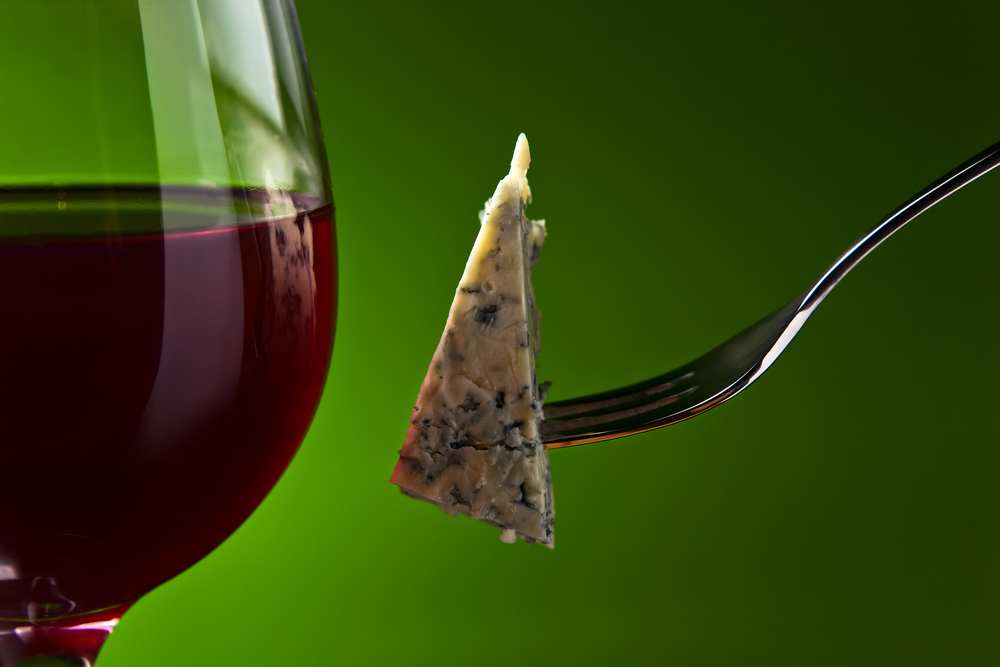
Blue cheese – Sauternes, Banyuls, Port, Late harvest wines, Madeira, Amarone
Last but not least, some PAIRING TIPS:
Acidic wines goes well with many dishes. Sauvignon Blanc, dry Riesling, Chianti are great examples. In addition, acidic wines make salty dishes appear less salty.
For fatty food such as foie gras, try Sauternes (an equally rich and intense wine).
For spicy food, try fruity, low-alcohol wines such as Riesling and Gewurztraminer.
Sweet food goes well with a bottle that is slightly sweeter.
Pair complex food with a simple wine. And pair simple food with a complex wine.
Proceed to Lesson 5: Preserving an Opened Bottle
Stay informed. Follow us and subscribe here to get our latest wine insider news and tips:
Practical Wine Lessons: Wine Tasting Like a Pro | Grapes | Serving Wine | Food Pairing | Preservation | Temperature | Restaurant Ordering | Wine Labels | Wine Regions | Wine Storage | Start a Collection | Common Wine Myths.
Useful Wine Tips: Ten Facts to Become an Instant Wine Pro | Vintage Guide | Removing a Broken Cork | Serving Order of Wines | Fastest Way to Chill a Wine | Host Wine Party | Elements of a Good Wine | Wine Investment "Winning" Guide | Leftover Wine: Recipe for Vino Punch | Freeze Your Leftover Wine | Wine Moods Pairing | Best Way to Preserve Champagne After Open | Ten Must-Have Wine Accessories.
Tasting Tutorial: Cabernet vs. Merlot vs. Pinot Noir | Sauvignon Blanc vs. Chardonnay vs. Riesling | Burgundy vs US vs New Zealand Pinot Noir.
Fun Download: Wine Tasting Scorecard | Wine Serving Temperature Chart | Wine Aroma Table | 3 Must-Know Red Grapes | 3 Must-Know White Grapes | Vintage Chart | Wine Party Themes | Wine Region Maps | Grand Cru Chart | Wine and Moods Pairing Chart | Wine Quotes & Wine Humor.
Travel & Exploration: Champagne 101 | Bandol | Italy | Spain | Sherry.
Jewels & Gems: Grower Champagne Pierre Gimonnet | Gravner Ribolla - An Amber Wine Maturated in Clay | Gaja - King of Barbaresco.